Take our holiday quiz to see which movie fits your data life this year and get a custom poster plus a hidden karaoke moment along with a reminder that smoother calmer data is possible in 2026.
The infrastructure that powers AI is being rebuilt from the ground up. Here's what changes, and what doesn't.
Open Table Formats move table logic into metadata. Learn why data observability is required to keep Iceberg, Delta Lake, and Hudi reliable across the stack.
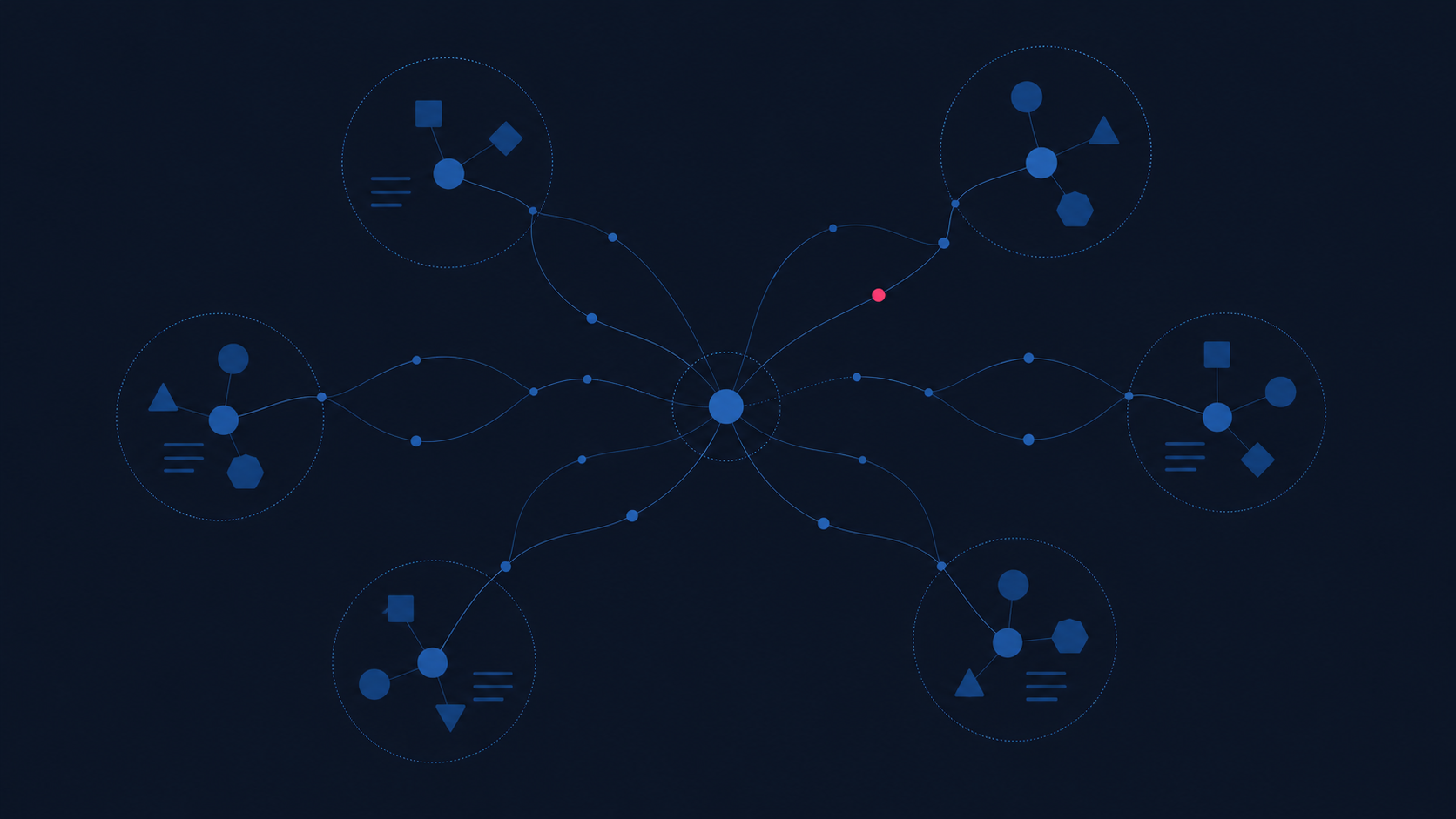
Iceberg failures don’t crash pipelines—they distort reality. Sifflet closes the observability gap by validating metadata against storage and downstream usage.
Learn how a metadata lakehouse works and why it matters for data trust, governance, lineage, and open data architectures.
If you’re wondering how to choose a data catalog in 2026, use our selection guide to choose the best type for your org. Learn how Sifflet's Catalog uses active metadata.
New Sifflet release, Subdomains, built for enterprise governance at scale. Add hierarchy and granular access control so teams see only what they need, and find what matters fast.
A Data Observability Health Score shows whether data is fit for use. See how Sifflet combines freshness, lineage, and context to operationalize trust.
Learn how to build a resilient data architecture. We cover core components, best practices, and how data observability supports scale and trust.
Decoupling storage moves the "brain" to the metadata layer. Learn why Open Data Stacks now require active metadata observability to prevent silent drift.
Change your data stack for the better, now