
Your regulator changed the question. Are you ready to answer it?
The bar used to be: did you submit the report on time? It is now: can you prove, continuously, that the data behind that report is trustworthy?
That is not a reporting problem. It is a control infrastructure problem.






Four demands. No existing infrastructure was built to meet them.
Whether you answer to the ACPR, the PRA, or NAIC, regulators are converging on the same four operational expectations: continuous data quality, end-to-end lineage, documented remediation, AI governance. The gap between those expectations and what most insurers can actually demonstrate today is the problem Sifflet closes.
"Regulatory compliance used to be a reporting tool problem. It is now a continuous control problem — and your existing data infrastructure was never designed for it."

Continuous Data Quality
Prove data quality on a date that isn't the audit date. Most insurers can show clean data at submission time. Regulators now want proof it was clean throughout the year.

End-to-End Lineage
Trace a reported number back to its source without weeks of forensic reconstruction. In most insurers today, lineage is tribal knowledge — held by individuals, not documented systems.

Documented Remediation
Show the auditor what went wrong, what was done, and when. Today that evidence is scattered across tickets, emails, and shared spreadsheets — not a defensible audit trail.
AI Governance
Demonstrate the data foundation behind every model decision. The model team and the data team rarely share a lineage view — creating accountability gaps regulators are actively probing.
From periodic attestation to continuous control
Four use cases where Sifflet closes the gap between what regulators now expect and what insurers can actually demonstrate today.
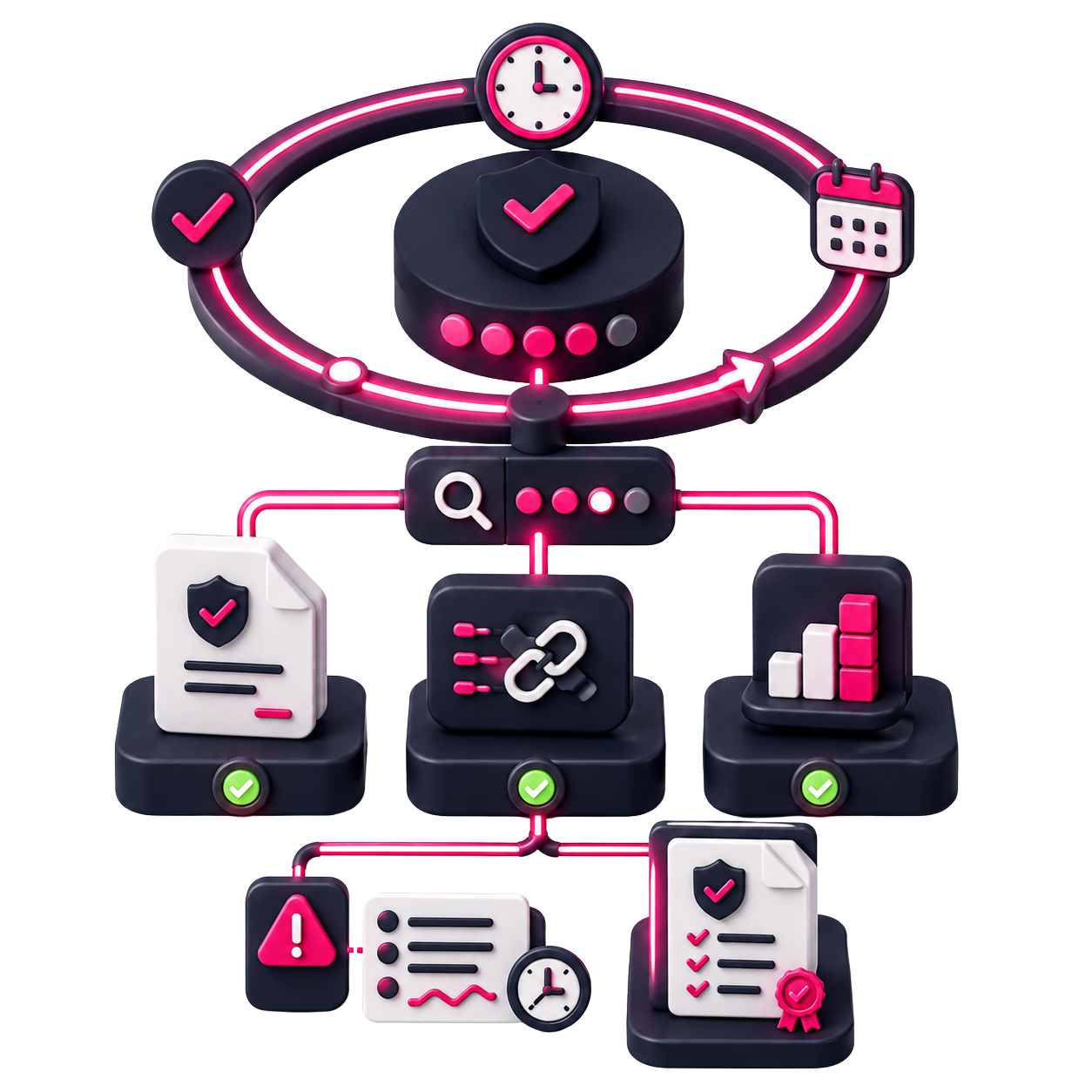
Continuous Quality on Capital & Reserving Inputs
The challenge: Insurers can show clean data on submission day. They cannot prove it was clean on any other day of the year. Supervisors — including the ACPR, the most active NCA on this topic — are now asking exactly that question.
The Sifflet edge: Automated, continuous quality scoring on every source feeding technical provisions, from policy admin to external data to the actuarial model layer. Every check timestamped. Every anomaly documented.
- Real-time quality scores on all regulated data sources, updated continuously
- Automated incident record: cause, impact, remediation, time to resolution
- Audit-ready reports available any day, not just after a submission
End-to-End Lineage for Actuarial and Financial Reporting
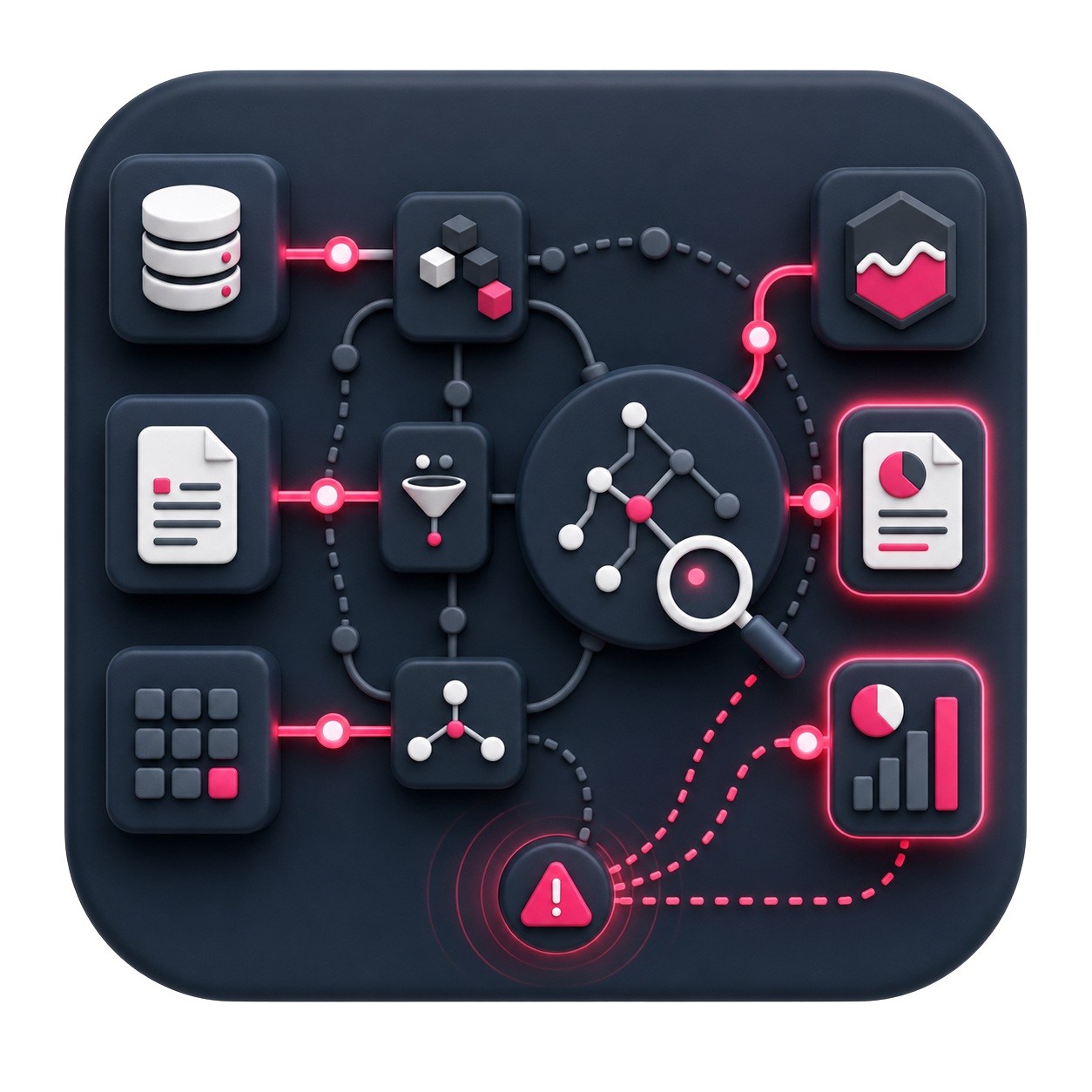
The challenge: Regulation models require granular disclosure that exposes lineage gaps. Supervisors ask how a reported figure was derived. The honest answer in most insurers is: manually reconstructed over several days, by people who remember.
The Sifflet edge: Automated lineage from every source system through every transformation into actuarial models, BI, and AI outputs. One click to trace any reported number back to its origin — no reconstruction required.
- Full lineage graph from raw source to final disclosure line
- Impact analysis: know in seconds which reports are affected by an upstream issue
- Lineage is documented infrastructure, not individual memory
AI and Pricing Model Governance
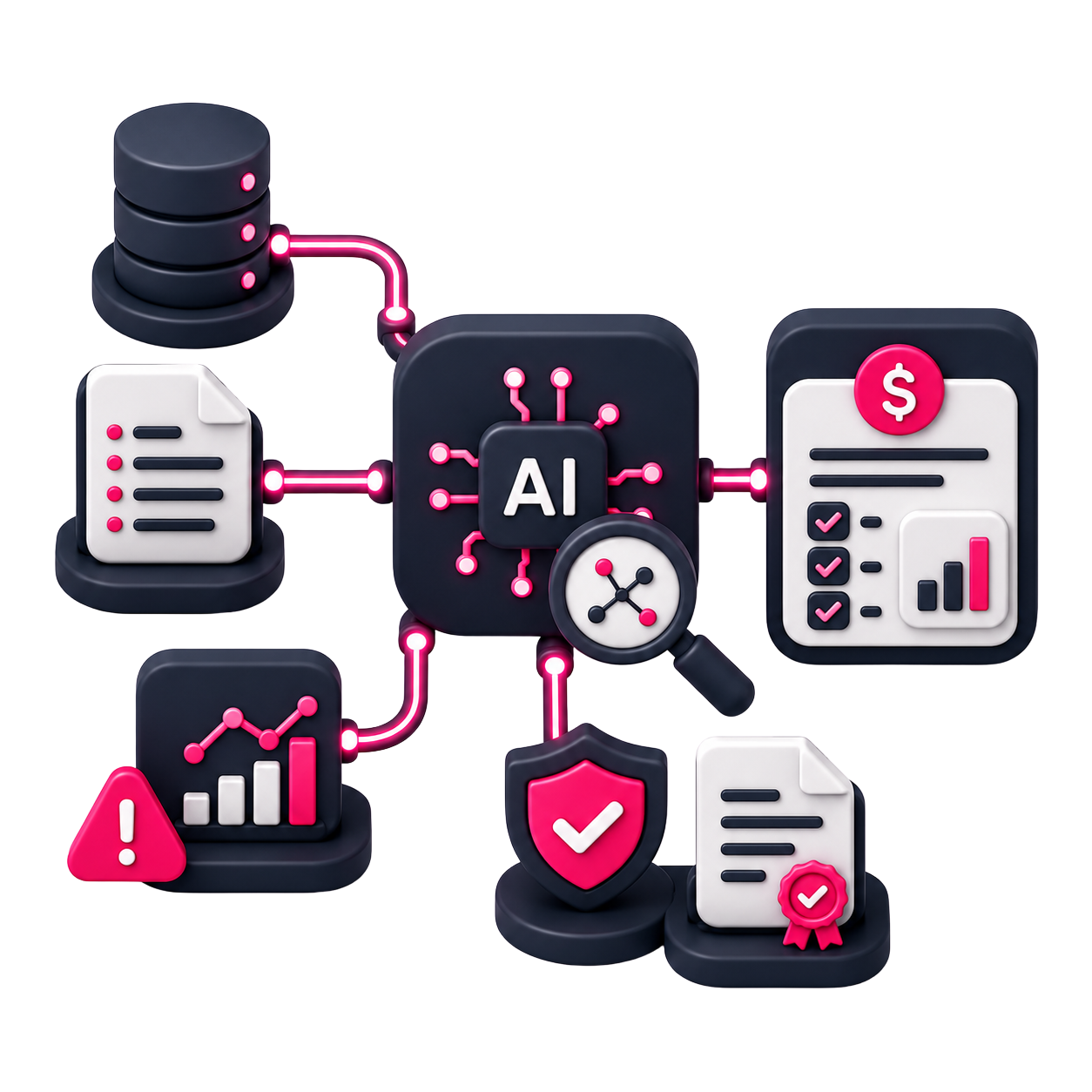
The challenge: Regulators are requiring documented governance over the data feeding algorithmic pricing decisions. In the US, Colorado 10-1-1 sets a compliance deadline of 1 July 2026 for auto and health insurers. In the EU and UK, the same expectation is hardening under DORA and the AI Act.
The Sifflet edge: Full lineage and monitoring across all model inputs. When a pricing model produces an unexpected output, root cause traces back to the exact data change that triggered it — documented, not reconstructed.
- Lineage into every pricing and underwriting model, auditable by regulators
- Drift detection when input data patterns shift and model assumptions break
- Governance documentation exportable for NAIC AI Bulletin and Colorado 10-1-1
Audit-Ready Incident Documentation
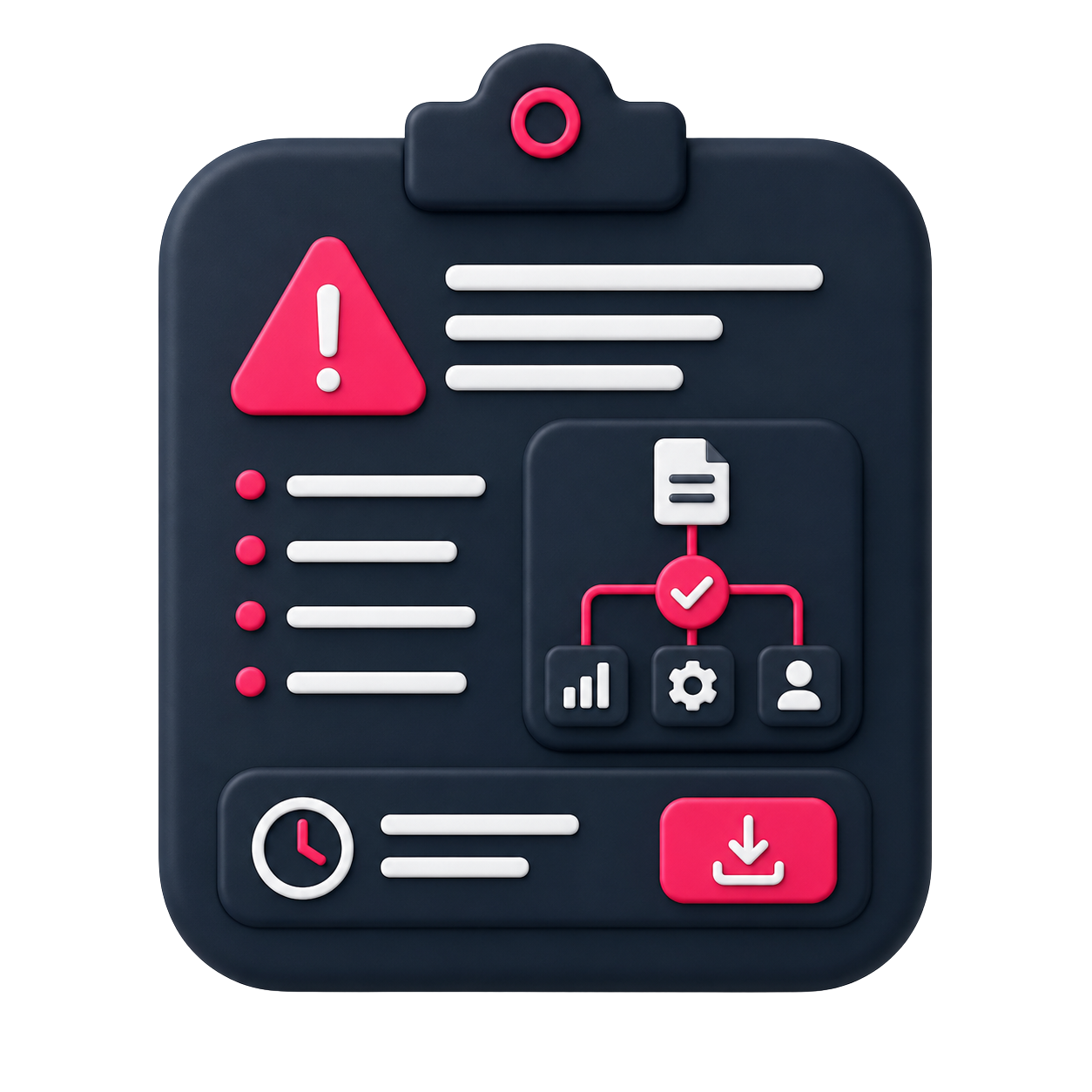
The challenge: When a supervisor asks what went wrong with a dataset and what was done about it, the answer should not take a week to produce. In most insurance data teams, remediation history lives in JIRA tickets, Slack threads, and shared spreadsheets — not a single auditable record.
The Sifflet edge: Every data incident — cause, business impact, remediation steps, resolution time — captured automatically in a single record. Exportable for internal audit, external supervisors, or actuarial function review at any time.
- Single record of truth per incident, from detection to resolution
- Business Impact scoping: which reports, models, and decisions were affected
- Export-ready for ACPR, PRA, NAIC, or internal audit, on any day of the year

Enterprise Security
SOC 2 Type II certified with advanced encryption and access controls. Purpose-built to handle sensitive PII data with the security standards insurance companies require.

Seamless Integration
Connect to your existing policy systems and data warehouses without disruption. Pre-built connectors for major insurance software providers.

Scalable Architecture
Handle millions of policies with enterprise-grade performance. Scale monitoring across all lines of business from personal to commercial insurance.
Fancy some reading?
Gartner® Hype Cycle™ for Data and Analytics Governance.
Get access to the 2025 Gartner Hype Cycle for Data & Analytics Governance and discover why Data Observability and AI governance are reshaping how modern organizations manage data trust, compliance, and agility.
.avif)
The No-Nonsense Checklist for Data Observability Buyers
Cut through the buzz and download this (really) free checklist that helps you pick a data observability platform that pays off in speed, trust, and measurable impact.

Data Observability, Five Years In: Why the Old Playbook Doesn’t Work Anymore
Five years ago, data observability was a novel concept, mostly reactive and tailored for high-scale tech companies. That worked for a while, but not anymore.


What impressed us most about Sifflet’s AI-native approach is how seamlessly it adapts to our data landscape — without needing constant tuning. The system learns patterns across our workflows and flags what matters, not just what’s noisy. It’s made our team faster and more focused, especially as we scale analytics across the business.


"Sifflet has been a game-changer for our organization, providing full visibility of data lineage across multiple repositories and platforms. The ability to connect to various data sources ensures observability regardless of the platform, and the clean, intuitive UI makes setup effortless, even when uploading dbt manifest files via the API. Their documentation is concise and easy to follow, and their team's communication has been outstanding—quickly addressing issues, keeping us informed, and incorporating feedback. "


"Sifflet serves as our key enabler in fostering a harmonious relationship with business teams. By proactively identifying and addressing potential issues before they escalate, we can shift the focus of our interactions from troubleshooting to driving meaningful value. This approach not only enhances collaboration but also ensures that our efforts are aligned with creating impactful outcomes for the organization."


"Having the visibility of our DBT transformations combined with full end-to-end data lineage in one central place in Sifflet is so powerful for giving our data teams confidence in our data, helping to diagnose data quality issues and unlocking an effective data mesh for us at BBC Studios"


"Sifflet has transformed our data observability management at Carrefour Links. Thanks to Sifflet's proactive monitoring, we can identify and resolve potential issues before they impact our operations. Additionally, the simplified access to data enables our teams to collaborate more effectively."


"Using Sifflet has helped us move much more quickly because we no longer experience the pain of constantly going back and fixing issues two, three, or four times."



Frequently asked questions














-p-500.png)
