Cost-efficient data pipelines

Pinpoint cost inefficiencies and anomalies thanks to full-stack data observability.
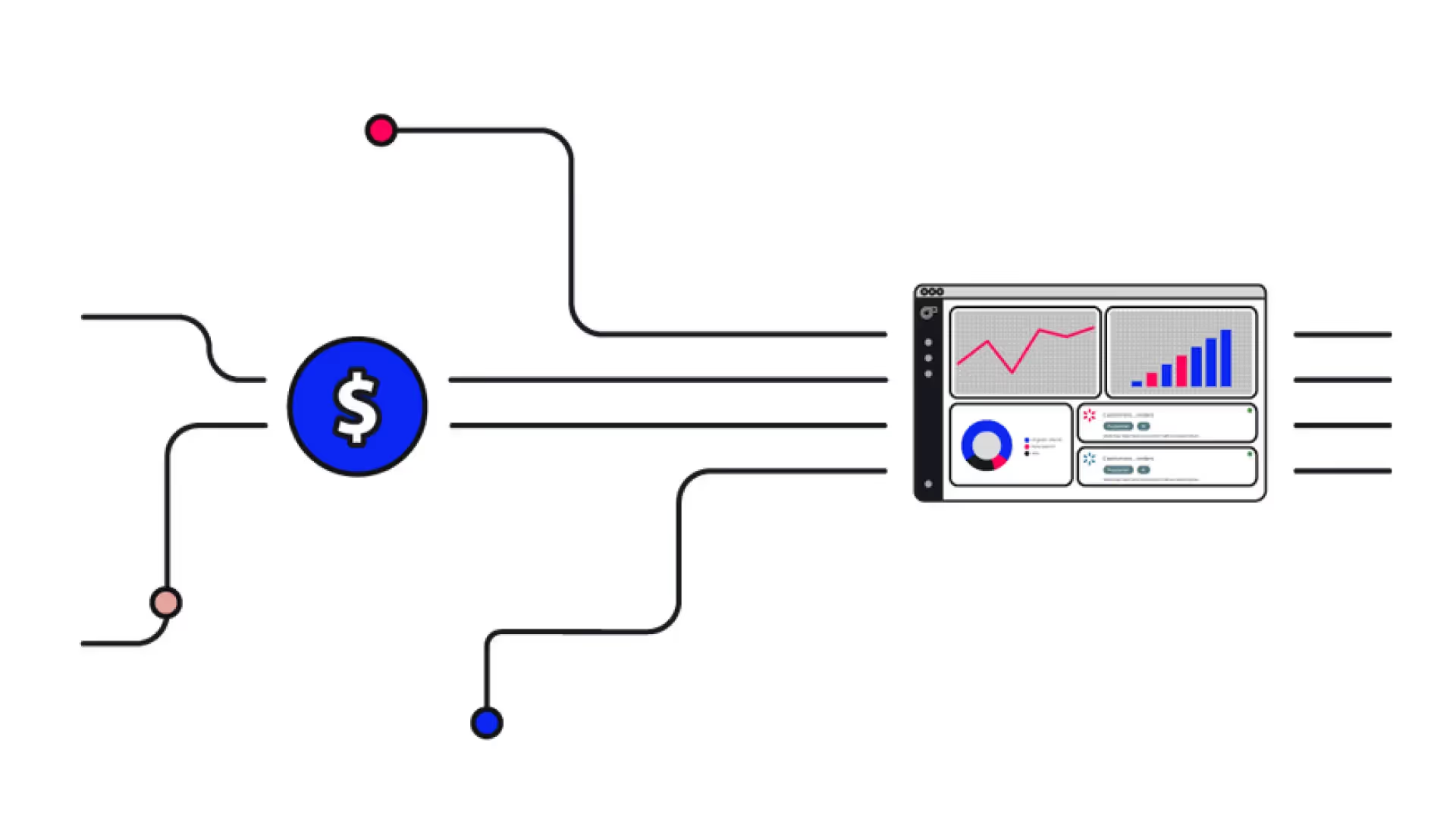
Data asset optimization

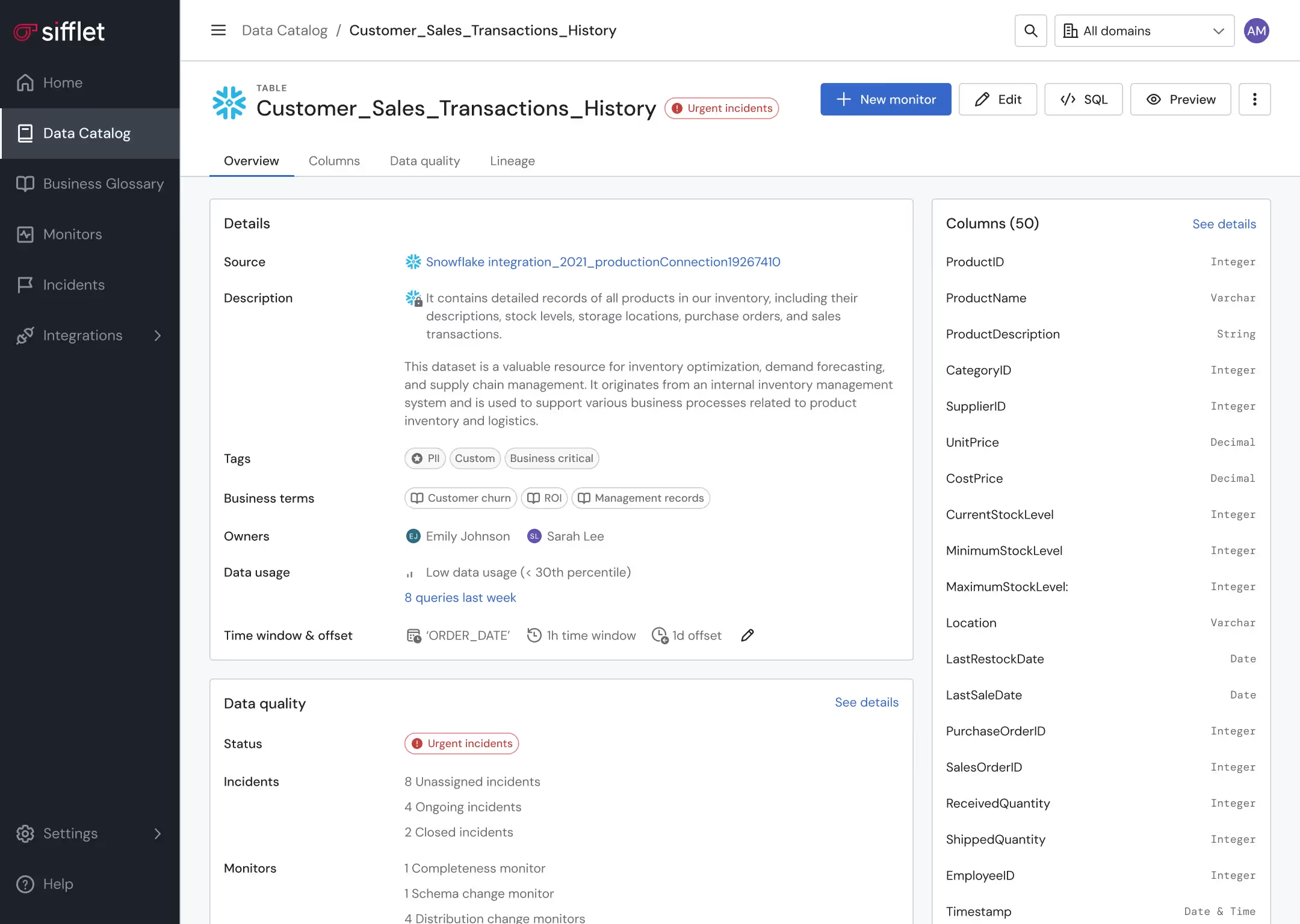
  • Leverage lineage and Data Catalog to pinpoint underutilized assets
  • Get alerted on unexpected behaviors in data consumption patterns
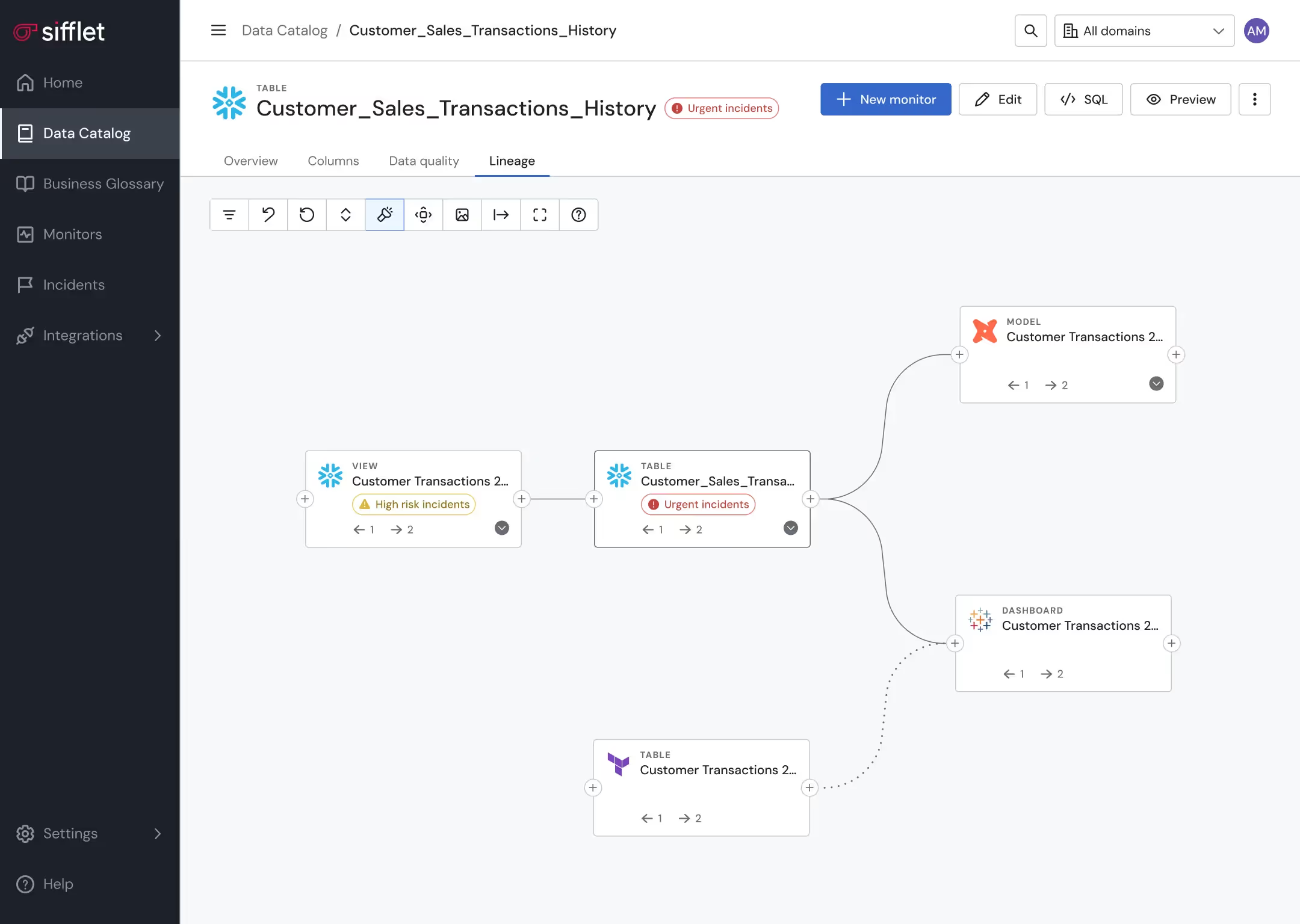
Proactive data pipeline management

Proactively prevent pipelines from running in case a data quality anomaly is detected
Sifflet’s AI Helps Us Focus on What Moves the Business

What impressed us most about Sifflet’s AI-native approach is how seamlessly it adapts to our data landscape — without needing constant tuning. The system learns patterns across our workflows and flags what matters, not just what’s noisy. It’s made our team faster and more focused, especially as we scale analytics across the business.


Simoh-Mohamed Labdoui
Head of Data

"Enabler of Cross Platform Data Storytelling"

"Sifflet has been a game-changer for our organization, providing full visibility of data lineage across multiple repositories and platforms. The ability to connect to various data sources ensures observability regardless of the platform, and the clean, intuitive UI makes setup effortless, even when uploading dbt manifest files via the API. Their documentation is concise and easy to follow, and their team's communication has been outstanding—quickly addressing issues, keeping us informed, and incorporating feedback. "

Callum O'Connor
Senior Analytics Engineer, The Adaptavist

"Building Harmony Between Data and Business With Sifflet"

"Sifflet serves as our key enabler in fostering a harmonious relationship with business teams. By proactively identifying and addressing potential issues before they escalate, we can shift the focus of our interactions from troubleshooting to driving meaningful value. This approach not only enhances collaboration but also ensures that our efforts are aligned with creating impactful outcomes for the organization."

Sophie Gallay
Data & Analytics Director, Etam

" Sifflet empowers our teams through Centralized Data Visibility"

"Having the visibility of our DBT transformations combined with full end-to-end data lineage in one central place in Sifflet is so powerful for giving our data teams confidence in our data, helping to diagnose data quality issues and unlocking an effective data mesh for us at BBC Studios"

Ross Gaskell
Software engineering manager, BBC Studios

"Sifflet allows us to find and trust our data"

"Sifflet has transformed our data observability management at Carrefour Links. Thanks to Sifflet's proactive monitoring, we can identify and resolve potential issues before they impact our operations. Additionally, the simplified access to data enables our teams to collaborate more effectively."

Mehdi Labassi
CTO, Carrefour Links

"A core component of our data strategy and transformation"

"Using Sifflet has helped us move much more quickly because we no longer experience the pain of constantly going back and fixing issues two, three, or four times."

Sami Rahman
Director of Data, Hypebeast

Discover more title goes here

Still have a question in mind ?
Contact Us

Frequently asked questions

How does Full Data Stack Observability help improve data quality at scale?
Full Data Stack Observability gives you end-to-end visibility into your data pipeline, from ingestion to consumption. It enables real-time anomaly detection, root cause analysis, and proactive alerts, helping you catch and resolve issues before they affect your dashboards or reports. It's a game-changer for organizations looking to scale data quality efforts efficiently.
Who should be responsible for data quality in an organization?
That's a great topic! While there's no one-size-fits-all answer, the best data quality programs are collaborative. Everyone from data engineers to business users should play a role. Some organizations adopt data contracts or a Data Mesh approach, while others use centralized observability tools to enforce data validation rules and ensure SLA compliance.
Is this integration helpful for teams focused on data reliability and governance?
Yes, definitely! The Sifflet and Firebolt integration supports strong data governance and boosts data reliability by enabling data profiling, schema monitoring, and automated validation rules. This ensures your data remains trustworthy and compliant.
What should I look for in terms of integrations when choosing a data observability platform?
Great question! When evaluating a data observability platform, it's important to check how well it integrates with your existing data stack. The more integrations it supports, the more visibility you’ll have across your pipelines. This is key to achieving comprehensive data pipeline monitoring and ensuring smooth observability across your entire data ecosystem.
How does the shift from ETL to ELT impact data pipeline monitoring?
The move from ETL to ELT allows organizations to load raw data into the warehouse first and transform it later, making pipeline management more flexible and cost-effective. However, it also increases the need for data pipeline monitoring to ensure that transformations happen correctly and on time. Observability tools help track ingestion latency, transformation success, and data drift detection to keep your pipelines healthy.
What role does data quality monitoring play in a data catalog?
Data quality monitoring ensures your data is accurate, complete, and consistent. A good data catalog should include profiling and validation tools that help teams assess data quality, which is crucial for maintaining SLA compliance and enabling proactive monitoring.
What’s the difference between AI governance and data governance?
AI governance and data governance are both essential, but they serve different purposes. Data governance focuses on the quality, security, and availability of data inputs, while AI governance oversees the behavior and outcomes of models using that data. Together, they ensure reliable, transparent, and compliant AI systems across the data lifecycle.
What role does data lineage tracking play in storage observability?
Data lineage tracking is essential for understanding how data flows from storage to dashboards. When something breaks, Sifflet helps you trace it back to the storage layer, whether it's a corrupted file in S3 or a schema drift in MongoDB. This visibility is critical for root cause analysis and ensuring data reliability across your pipelines.